

News
Congress on combat sports and municipalities: ‘Look each other in the eye’
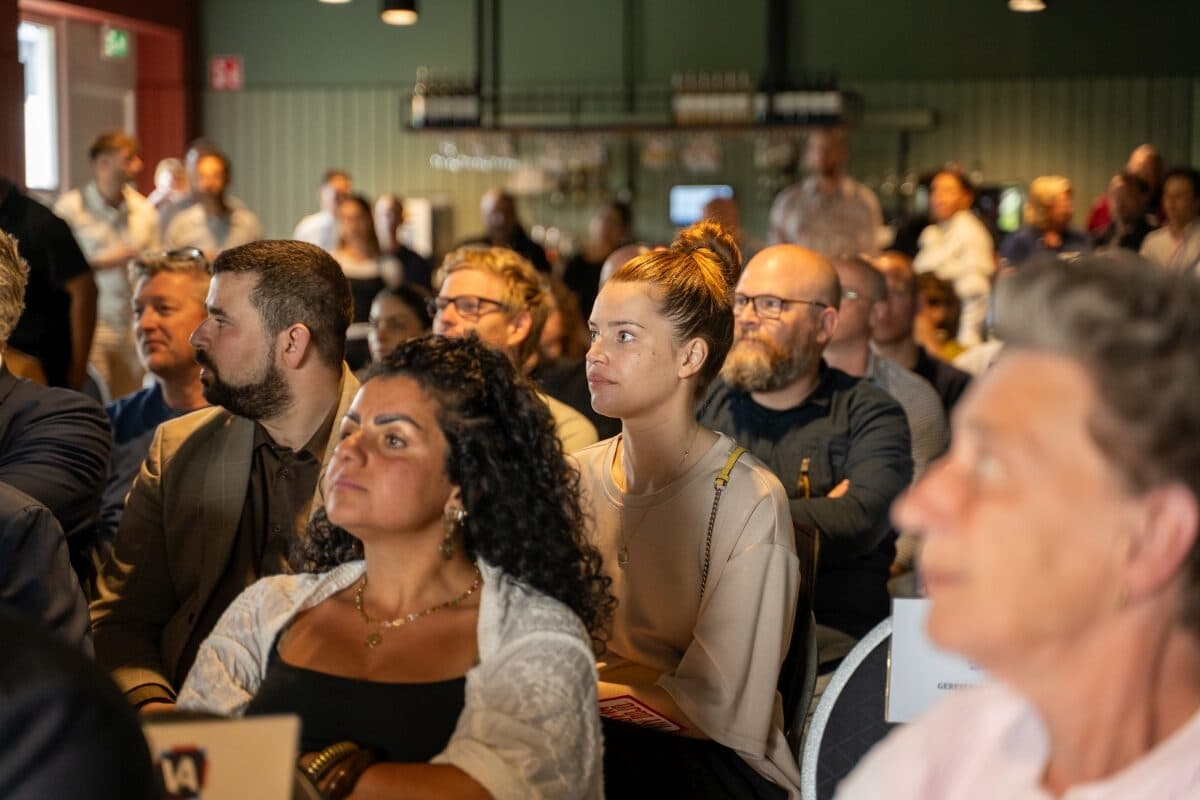
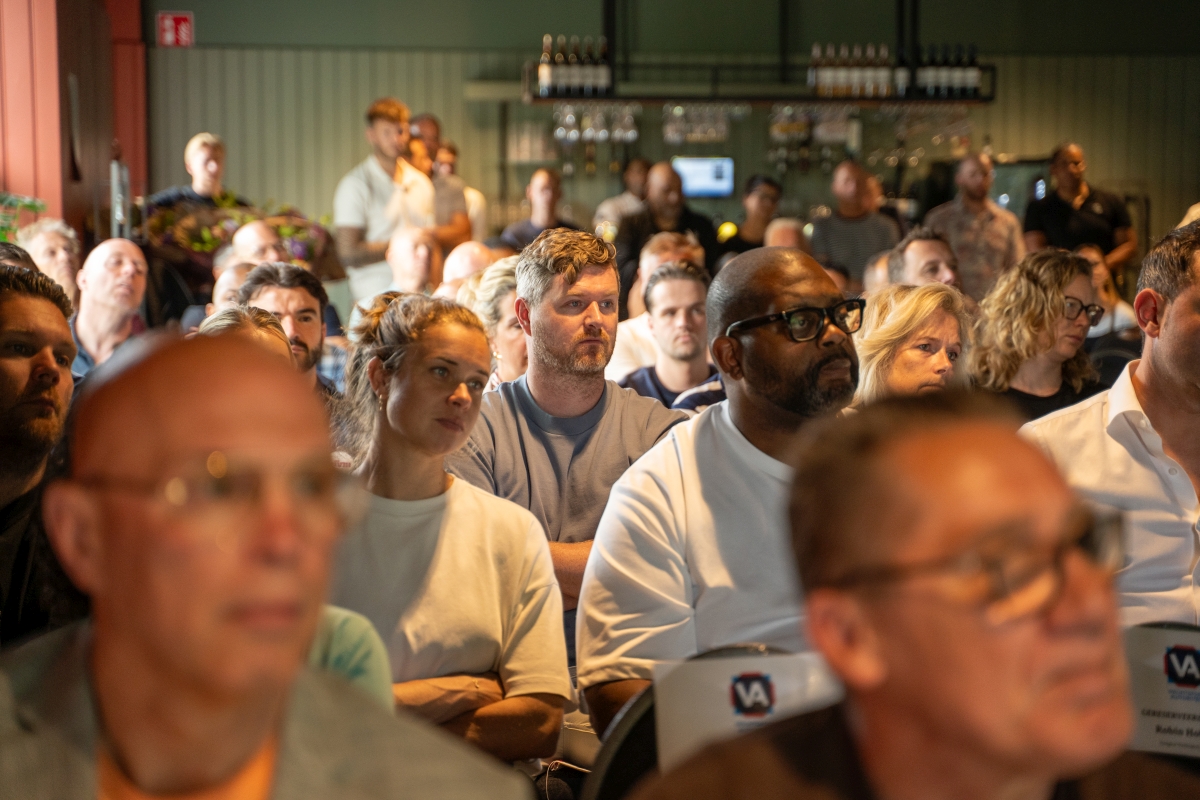
Seek each other out, get to know each other. That was the advice heard most often during the congress ’50 Years of Combat Sport & Municipalities’ in the Jaap Edenhal. On Wednesday 27 May, on the initiative of the VA, the combat sports world and the world of municipalities came together to gain a better understanding of each other’s reality. There was room for criticism, but the focus was mainly on good examples: what works, and how can others learn from it?
Around 120 people gathered on historic ground. Fifty years ago this week, the Jaap Edenhal in Amsterdam-Oost hosted the first kickboxing gala ever held in the Netherlands. This was marked at length at the opening of the congress, including by chair of the day Wilson Boldewijn. Sports historian Jurryt van de Vooren spoke about the history of combat sport in the Netherlands, with particular attention to the relationship between combat sport and local government. He sketched the development from total rejection and the boxing ban of the early twentieth century through to this combat sports congress, attended among others by aldermen and mayors who enjoy kickboxing themselves and even compete.
Pioneers honoured
NVB director Raimond Honig then paid tribute to a number of pioneers who brought kickboxing to the Netherlands and made the sport big: Jan van Looijen, Thom Harinck, Johan Vos, and Martin van Emmen and André Mannaart as the sporting heirs of Peter van den Hemel and Jan Plas, who are sadly no longer with us. The great merits of this first generation were highlighted, and Amsterdam alderman Alexander Scholtes presented trophies that the NVB had had made for the occasion. The pioneers then received the respect they have earned, with a standing ovation.
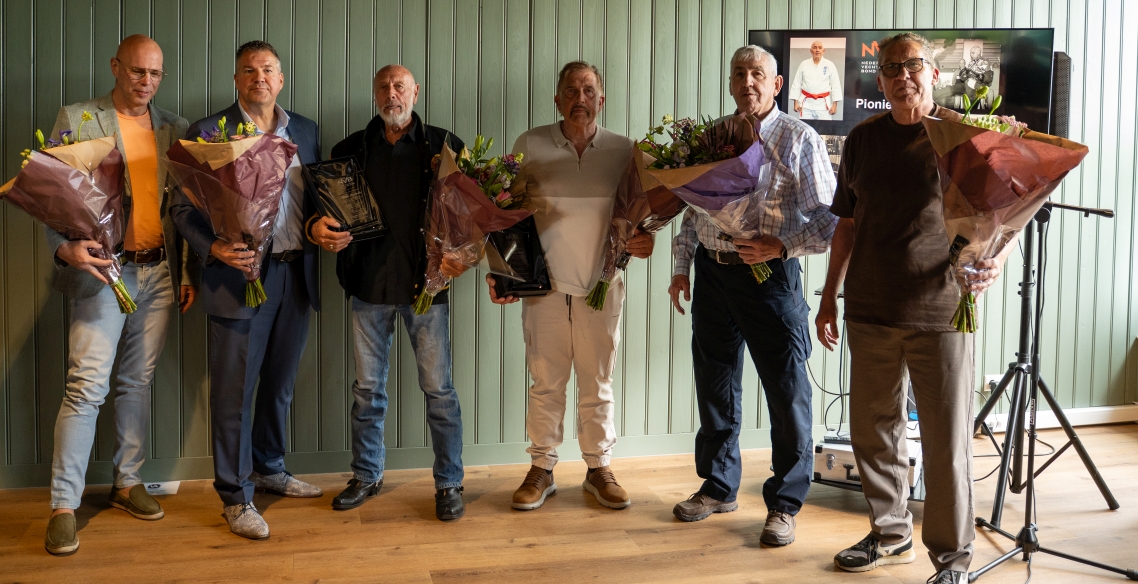
From left to right: Martin van Emmen, Raimond Honig, Thom Harinck, Johan Vos, Jan van Looijen, André Mannaart
The social value of combat sport
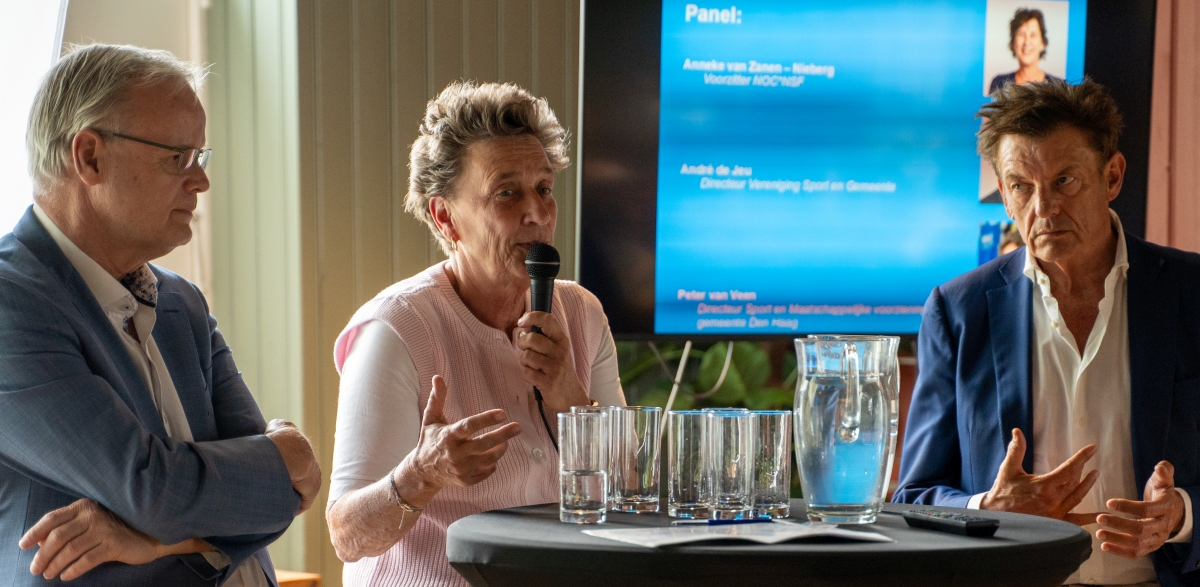
This festive opening was followed by a panel with  Anneke van Zanen-Nieberg (chair of NOC*NSF),  André de Jeu (director of the Association for Sport & Municipalities) and  Peter van Veen (director of Sport and Social Amenities for the City of The Hague). The conversation quickly turned to the social value combat sports can have when they are well organised. The question also came up of what municipalities can contribute, in support of sports entrepreneurs for example. Many municipalities are used to sport revolving around clubs, but these days more people take part at commercial sports providers or with friends, and one of the questions was whether government is keeping up with that. It became a lively session, partly because the audience quickly got involved in the conversation. People contributed to the discussions critically but constructively, drawing on their own experience. Building on the example of the City of The Hague, where the combat sports gyms have organised themselves in order to consult with the municipality on a structural basis, there was a call to seek each other out more often, and not only when there is a problem. Look, too, at whether you can arrive at joint initiatives to get people moving and to promote taking part in sport.

After this first panel, two in-depth sessions took place in two rooms: one on combat sports events and municipalities, and one on combat sports gyms and municipalities.
Combat sports events and municipalities
Safety expert Wieresh Ghisya opened this session with an account of safety at events. He spoke about the safety plan template that the VA developed together with promoters and municipalities. The role and working method of the audit team were highlighted, with particular attention to the safety audits. Ghisya stressed the importance of a tailored approach, and illustrated his account with examples from practice. The panel discussion that followed, with promoter John Kuipers, police officer Robin Holtrop and municipal official Niels Westerveld, was an interesting exploration of the space between theory and practice. Municipalities are keen to work case by case when it comes to permits, but it soon became clear that promoters who want to organise events often feel they are all tarred with the same brush. As soon as the words combat sport are mentioned they feel they are seen as a risk, even when they want to organise a small tournament for children. Is combat sport not so well organised by now that some relaxation is in order? There was goodwill among the representatives of municipalities in the room, but the combat sports world must remain aware of where we have come from. The strict rules and the Combat Sports Authority were created in response to events that got out of hand, with violence outside the ring and even shootings. On top of that, combat sport had to contend with influence from organised crime, which not only sought ways to launder money but also recruited fighters for serious crime, which has cost more than a handful of athletes their lives. The trust won since then has not yet wiped away all prejudice about the sport; that will take time as well. Another point raised from the combat sports world is that bureaucracy can be avoided by organising permit procedures more sensibly. If a promoter organises events in three different municipalities, does he really have to go through the same BIBOB procedure three times, or can that be avoided by better exchange of information between municipalities? That would save both the sports entrepreneur and the municipalities work, and therefore costs. The Combat Sports Authority is going to look at whether it can take on a role in this.
Combat sports gyms and municipalities
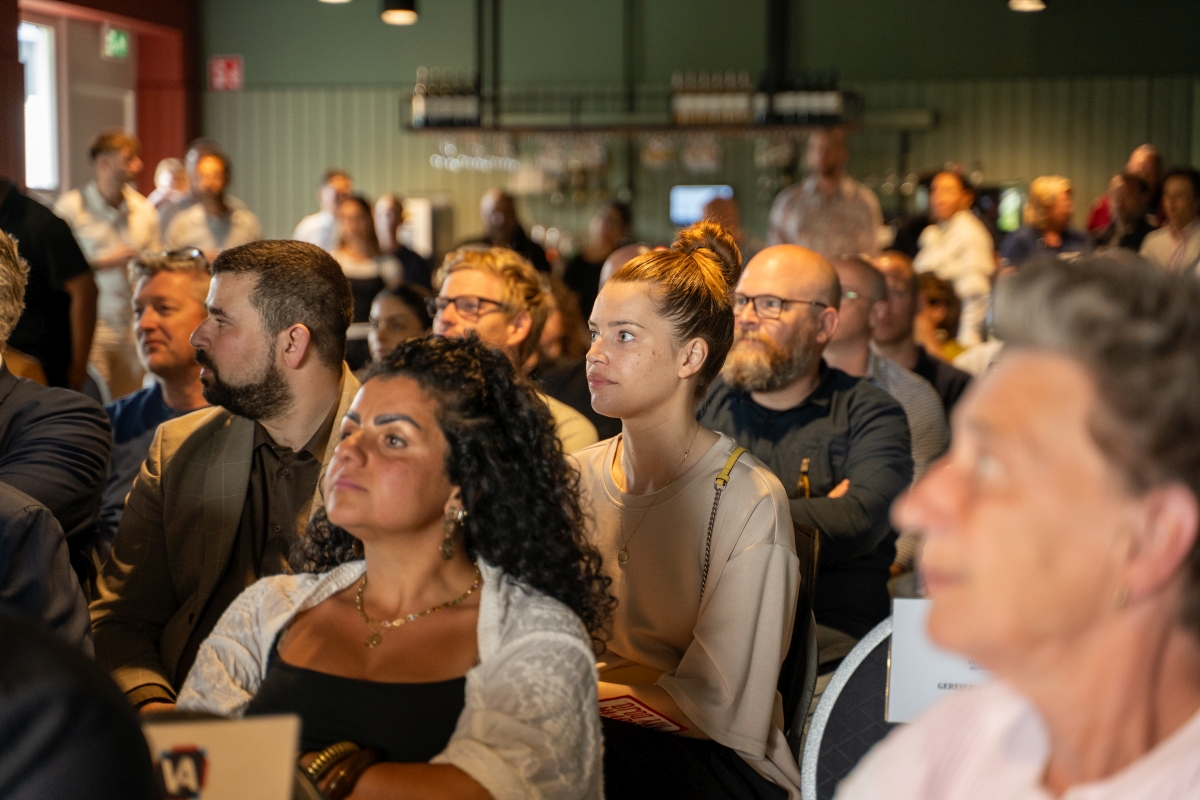
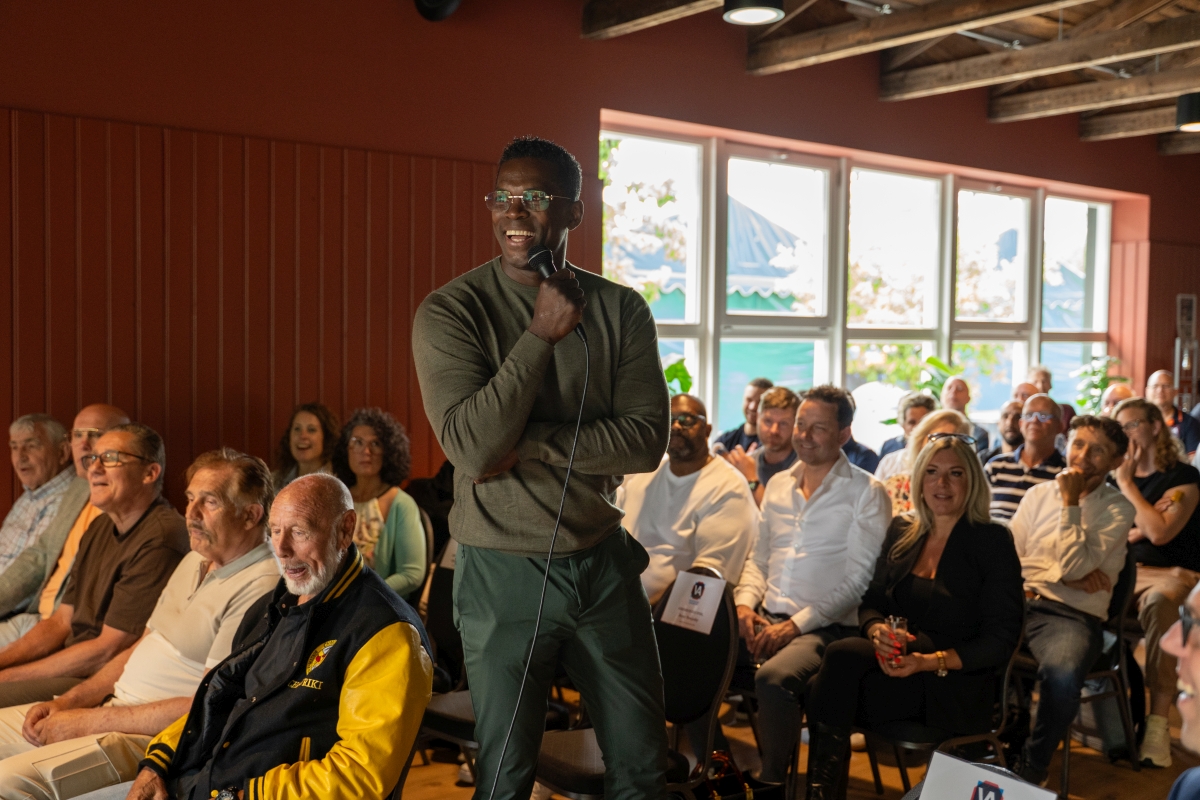
The session on the relationship between combat sports gyms and municipalities was opened by Wouter Schols of the Netherlands Institute for Combat Sport and Society. He explained how his organisation’s quality labels and the Combat Sports Authority Quality Mark contribute to the professionalisation of combat sport. Mike Soumokil of the VA audit team outlined how their visits to gyms contribute to the development of those gyms. Together with the owners and trainers they look at whether there are points for improvement, and how these can be taken up. The results of the audits are also shared with the municipalities, because they help build municipalities’ confidence that combat sports businesses are working seriously on maintaining quality and safety. The panel discussion that followed, with gym owner Hanieh Kamran, sports alderman Marc Merx and sports entrepreneur Remy Bonjasky, dealt among other things with the importance of the personal relationship between the gym owner and their contacts at the municipality. Alderman Merx from Dordrecht, himself a combat sports enthusiast and a member of the VA supervisory board, stressed the importance of looking each other in the eye and really knowing who you are dealing with. Invite the sports alderman and city councillors into your gym, show them what you do and what the atmosphere is like, he said. Hanieh Kamran of the Tabonon gyms in and around Zwolle said she had done exactly that, but that the relationship is often awkward all the same. Merx had to acknowledge that you do of course need a good alderman, one who can make a sound judgement, but the contributions from the room showed that the core point held. Direct contact, a cup of coffee and looking each other in the eye are important in preventing unnecessary distrust. Unknown is unloved, as it was summed up. Remy Bonjasky said there is still real work to do to remove barriers at municipalities. Above all, the fact that events for children, comparable to a judo tournament or a game of football, lead time and again to a conversation at the town hall and with the police feels stigmatising and out of proportion to the actual risks of a youth gala at a gym that has met every requirement for years.
Parkinson boxing
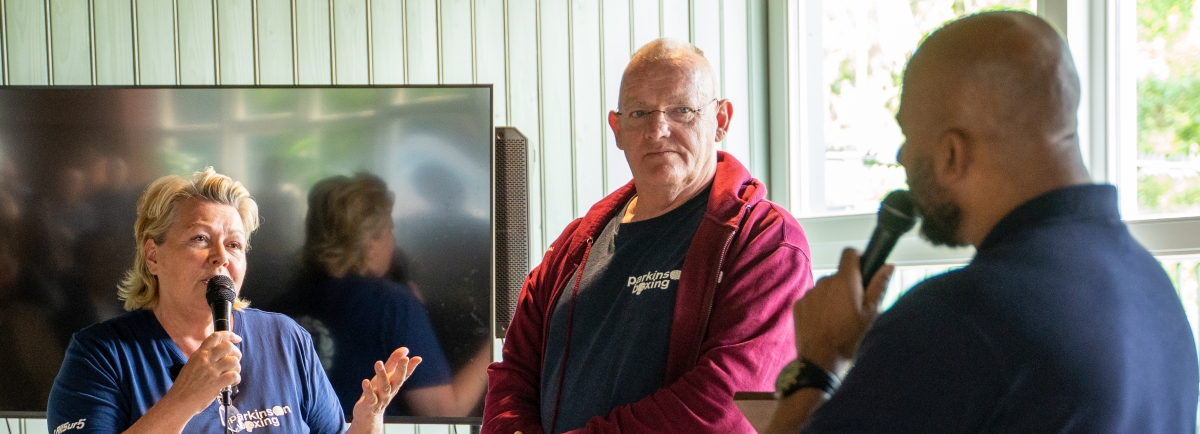
After the themed sessions, attention turned once more to the added social value combat sports can have. Hans and Dini Louwersen were confronted in their own circle with the terrible consequences of Parkinson’s disease. This brain disease, in which nerve cells die off, cannot be cured. Even so, something can be done about it: the progress of the disease can be slowed if patients exercise. Parkinson boxing was developed for this purpose in the United States. Boxing turns out to be a very suitable sport, because participants have to combine different tasks in the head and with the body. It is precisely that combining of tasks that helps slow the decline. What is more, boxing can be trained well without coming into contact with other athletes or taking a ball to the head. Hans and Dini trained in the US and then set up a Dutch branch at home. They have since trained dozens of other gym owners who now teach Parkinson boxing themselves. The dream is that everyone dealing with Parkinson’s can train in their own municipality. They called on the other gym owners present to sign up, and municipalities were urged to actively support and promote these initiatives.
Derk Alssema
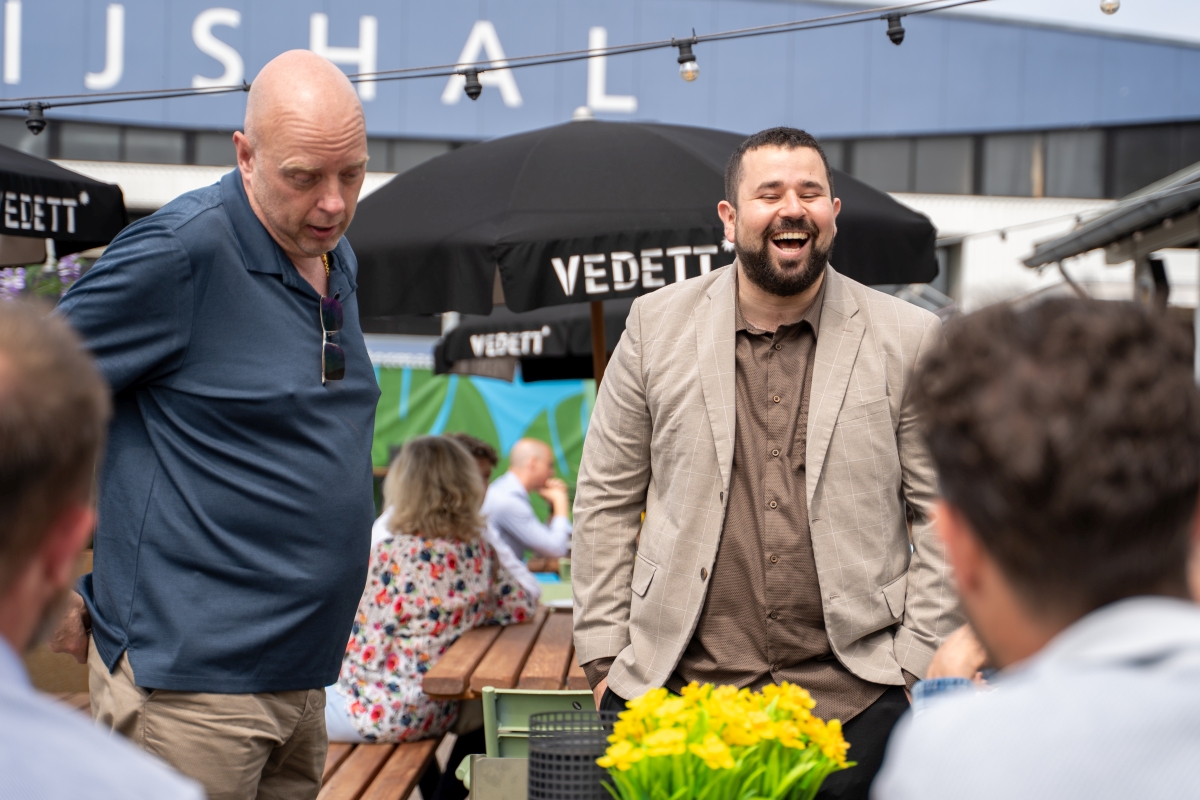
The closing word that day went to Derk Alssema, chair of the supervisory board of the Combat Sports Authority. In daily life he is mayor of the Brabant municipality of Gilze en Rijen, but he is also an enthusiastic kickboxer and boxer. He said he trains some three or four times a week, because it keeps him fit and sharp. Initially he held the familiar prejudices about kickboxing, that it was something for rough people he could not identify with. But after a friend talked him into it and he saw that those prejudices were wrong, he was captivated by the sport. At the moment he is training a little harder than usual, because this summer he will step into the ring himself for the first time for a boxing bout. Alssema was able to view the congress through two pairs of glasses: those of the mayor and those of the combat sports enthusiast. He concluded that the message for both groups was the same: seek each other out, get to know each other. Invest in the personal relationship. That prevents distrust and smooths the processes when a permit has to be applied for.
The advice was taken to heart straight away, because after this closing word there was a drink and people could seek each other out for a conversation or to arrange to get to know each other better.