

News
Science on head impact in young athletes brought together
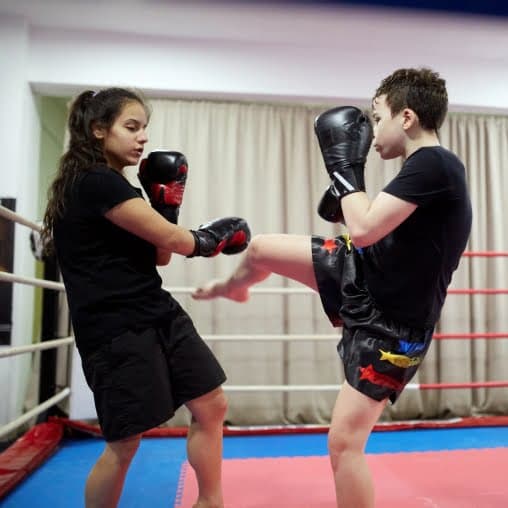
Strikes and kicks to the head have been prohibited in youth competitions in combat sports since the arrival of the Dutch Combat Sports Authority. This regulator asked researchers to bring together the available knowledge about the effects of head impact in a scientific report.
Tens of thousands of children in the Netherlands practise combat and self-defence sports. Of the competitive fighters in kickboxing, the majority are minors. Sport can contribute to healthy development of the body, brain and behaviour. There are, however, also studies that highlight the downsides. What happens when a child heads a heavy football? What is the effect when children collide with one another?
The Dutch Combat Sports Authority (VA) is the regulator for kickboxing, Thai boxing and MMA in the Netherlands. In 2017, the VA's medical committee advised: make sure children are no longer kicked or struck in the head. Since then, this has been prohibited in competition. The VA regularly receives questions about the evidence behind it. At the VA's request, Dr Lot Verburgh collected the scientific literature on the subject. Together with neuropsychologist Keri Mans, she wrote the report Full-contact combat sports and the effects on the brains of children and young people.

The subject is examined from the perspectives of medical and sports science and neuropsychology. The conclusion is clear. There is sufficient scientific evidence that repeated impact to the head can lead to temporary and permanent damage to the brain, such as problems with memory and reduced reaction speed.
For sport practised by children and young people, a balance must be struck between the positive and negative effects. In them, the brain is still very much developing. Extra caution is needed so as not to disrupt that growth. According to Verburgh and Mans, the measure not to kick or strike to the head in competition up to the age of 18 is supported by the scientific literature.
The report has been circulated among policymakers and sports federations that also deal with head impact in young people, so that they too can benefit from this knowledge.
The report: Full-contact combat sports and the effects on the brains of children and young people
A brief summary can be found here.
Dr Lot Verburgh holds a doctorate from the Vrije Universiteit Amsterdam and specialises in the relationship between sport and the brains of children and young people. She worked as a researcher and adviser in the field of brain injury at Ajax and the football association KNVB, among others. She currently works in healthcare at the consultancy Turner.
Keri Mans (MSc) graduated in cognitive neuropsychology at the Vrije Universiteit Amsterdam and currently works as a researcher for Imperial College London, and as a psychologist.