

News
Where martial arts is not yet inclusive, there are opportunities
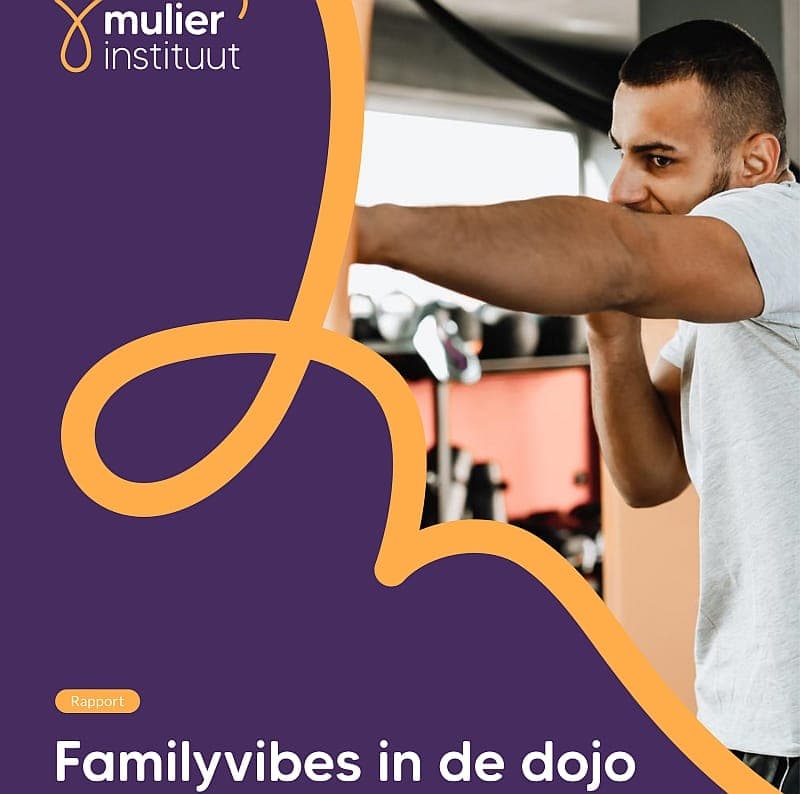
The Dutch martial arts world is colourful, both figuratively and literally. Even so, gyms are not yet able to appeal to every target group. This offers opportunities for sports entrepreneurs, the Mulier Instituut (Dutch sports research institute) concludes. The sports researchers interviewed gym owners about the theme of inclusivity and published the report Family vibes in de dojo on the subject.
Based on interviews with female martial arts trainers/gym owners and trainers/martial arts gym owners with a migration background, researchers Güliz Nilay Aydoğan and Agnes Elling explored how discrimination and exclusion are experienced, and how those involved deal with this in sport.
The martial arts gym owners and trainers interviewed try to prevent discrimination, including sexism and racism, within their gym. They do so partly because they themselves have experienced forms of discrimination and exclusion in their own lives. They see their own life experience as added value when coaching athletes.
Respect
The respondents consider a family atmosphere within the martial arts gym important. Hierarchy, shaped by respect and discipline, is a basic norm in martial arts culture. It ties in with the values and standards that many fighters, trainers and gym owners are brought up with and take from their culture or religion. However, the way the trainers and owners talk about other minority groups, and the practical examples they give, shows that martial arts is not always inclusive for everyone. Women, people with a disability and LGBTI+ people are sometimes approached negatively.
Room to be yourself
The trainers and martial arts gym owners describe the martial arts world as fairly diverse. By this they mainly mean ethnic diversity: culture, religion, background and colour. They point out that migrants made martial arts big. They see that the proportion of women among martial arts staff and coaches is on the rise. Some of those interviewed acknowledge that diversity and inclusion go beyond background, colour and gender. They see opportunities, or take initiatives themselves, to make the martial arts world even more inclusive.
Recommendations
The researchers have three recommendations for the martial arts world. First, it would be good for martial arts to exchange knowledge with other sports federations. Other federations can learn from martial arts, particularly when it comes to attracting and retaining athletes with a migration background. In turn, martial arts can learn from other federations how to reach people with a disability and people from the LGBTI+ community.
That last point also ties in with the second recommendation: see diversity as an opportunity. There are new target groups you can turn into customers. Some gyms are already doing this, for example by offering ladies only classes, classes for older people or classes for people with Parkinson's disease.
The third recommendation is to keep working actively on the image of martial arts. For a long time, martial arts had a negative reputation. Aggression, unrest surrounding events and athletes appearing in the news as criminals put people off. That image has been shifting for some time, but this requires sustained effort. The researchers advise the sector to keep conveying the social added value of martial arts. As gym owners and federations, make it clear that the circus surrounding commercial shows is not representative of the standards of martial arts. The large martial arts galas will nevertheless continue to shape the public image. It therefore remains important that 'good' martial arts heroes act as ambassadors for a diverse, positive and inclusive martial arts world.
Our martial arts gym is for everyone
The sport-wide campaign Onze Club Is Voor Iedereen (Our Club Is For Everyone) draws attention to diversity and inclusion. NOC*NSF (Dutch Olympic Committee and Sports Confederation) offers support to clubs, associations and sports entrepreneurs that want to work actively on diversity and inclusion. A menu of options has been developed for this purpose, including free workshops and training programmes.
This year, the VA is highlighting the theme in a series of articles on the website and in the newsletter, with a focus on positive examples.
Read the full study by the Mulier Instituut here.