

News
Recovery: a chance to gain an edge over the competition
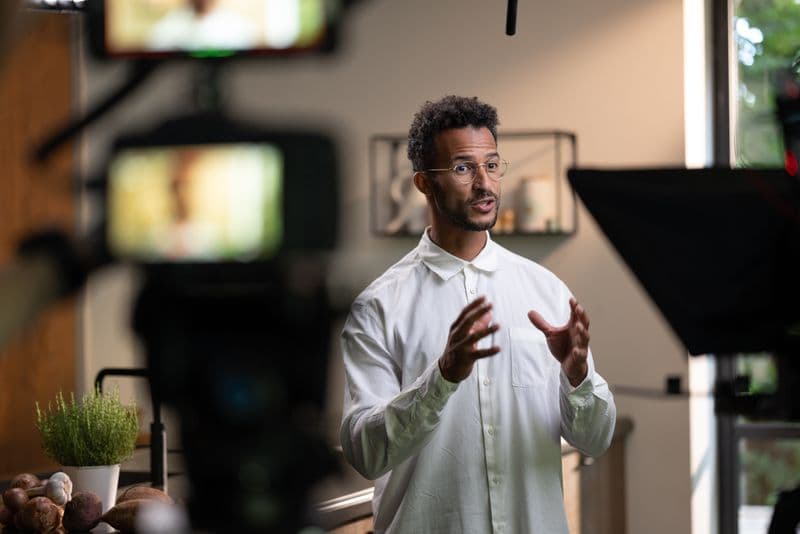
After exertion your body needs to recover. That calls for a combination of good nutrition and sufficient rest, says nutritionist Dr Samefko Ludidi. ‘A real top athlete dares to do nothing sometimes.’
By Samefko Ludidi
To recover properly from your training, your body needs fuel to replenish its reserves and building blocks to repair the muscles. Eating and drinking smartly can improve your energy system and your muscle structures. That will make you perform better.
Metabolic flexibility
The fuels are carbohydrates and/or fats. Depending on the type of athlete you are, you make choices in this. A strength athlete will make somewhat different choices than an endurance athlete. If you want to be less dependent on carbohydrates during your performance, you should eat fats more often. Think of fats from fish or from avocado and olives, not of deep-fried chips. Your goal is then ‘metabolic flexibility’. You want to teach your body to switch between carbohydrates and fats. When your body notices that the carbohydrates are used up, it can move on to drawing on fats. That way you will not hit the wall.
The building blocks for the muscles are proteins. You see many people focusing on protein shakes, especially after training, as if that were some kind of miracle cure. They can be very useful, but there is a pitfall. Many people only take a shake after exercising, but pay no attention to their meals. It is important to have a good intake of protein and other nutrients throughout the whole day. A little with every meal works best for your recovery and muscle development.
Compare it to the roadworthiness test for a car (APK). You should not only have your oil, coolant and fuel in order and check your tyre pressure at the time of the test; it is better to maintain the machine continuously.
After the bout
Recovering after bouts is a somewhat different story than recovering after an ordinary training session. If you have asked an exceptional amount of your body and mind, you also have to give exceptional attention to your recovery. That means finding a good balance between good nutrition and sufficient rest.
If you have dug deep in a bout and therefore used up all your reserves, you naturally have to replenish them. The tendency may be to start eating more. You can perhaps eat a bit more, but make sure it is above all food of good quality. Get your fuels from natural sources, preferably fresh and unprocessed food.
We often see fighters heading into McDonald’s or KFC after a bout, as the conclusion of the whole period of training camp, weight cut and competition. That is understandable and can have a ritual value, but if you seriously want to get the best out of yourself, you limit it to one time. Do not spend an entire holiday indulging in pizza and chips, because then you really will come back much heavier than you were at the fight, and making weight again becomes a long and challenging journey. And to put it bluntly: if your body has to process junk, that is not good for your recovery.
Rest
But at least as important as your nutrition is your rest. You really have to scale back your level of exertion. It is sensible to take a week off, while staying active. Go walking and cycling, but do not seek out your limits, do not even go to 70%, because rest is truly crucial. Also keep an eye on whether you are getting enough sleep. At least 8 hours, perhaps even 9 hours, if you train intensively. You grow during rest.
Many athletes think: I am young and strong and I have to be back in the gym on the Monday after the bout. That sounds tough and it is good that you want to give it everything, but it is not smart. You sometimes hear: while you are doing nothing, your opponent is training. But by resting better you can gain an advantage over the competitor who just keeps exhausting himself. A real top athlete dares to do nothing sometimes.