

News
'The conversation about the future of martial arts is very much alive in the sector'
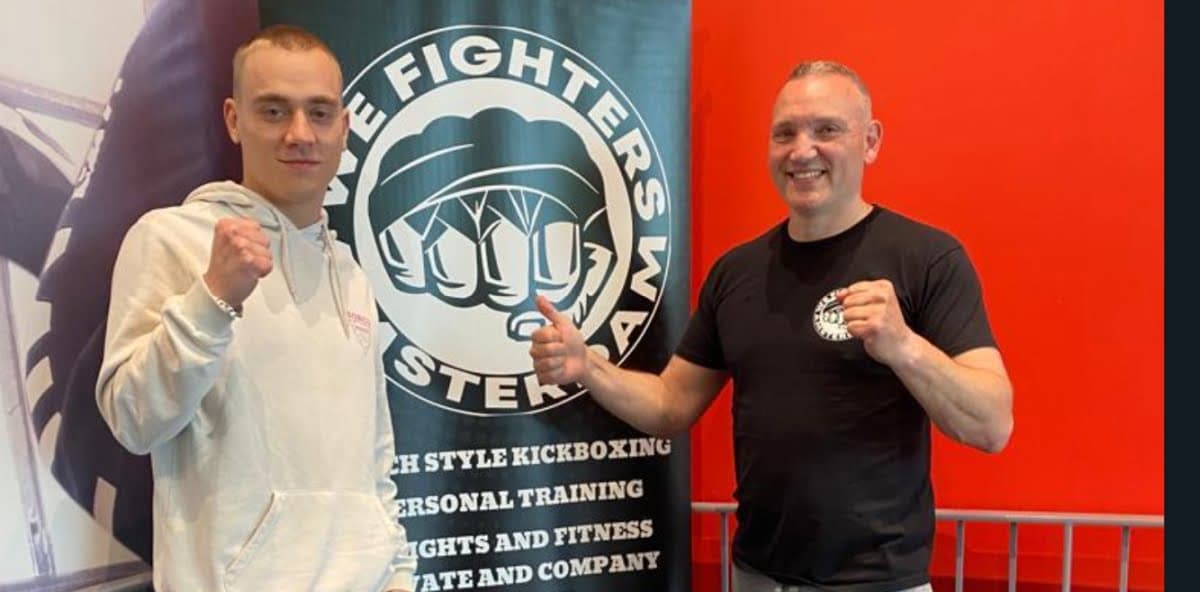
Julian Huijsse joined the VA (Nederlandse Vechtsportautoriteit, the Dutch martial arts regulator) as an intern from the Sport Management & Sport Policy programme at Utrecht University. He stayed on, however, and now works part-time for the agency as project coordinator. He recently completed his research. He examined the legitimacy of the current organisational structure of full-contact martial arts, and the possible organisational structures in the next phase. 'These are fascinating times for martial arts, and it is a privilege to be right on top of the current developments.'
What is the core of your research question?
'How much support is there for the way full-contact martial arts are currently organised, and what form could it take in the future? Most sports in the Netherlands have a classic structure: an athlete is a member of a club, the club is a member of a federation that organises the competitions, and the federation is a member of the sports umbrella organisation NOC*NSF. In martial arts it works very differently. An athlete trains at a gym, a gym registers with a promoter who organises events, and the promoter hires one of the nine martial arts federations to provide the officials and the administration. That model resembles commercial American boxing more than Dutch grassroots sport.'
Then the VA came along, as an independent regulator. How is that viewed?
'Almost nobody denies that it was inevitable, because the sports had ended up in a crisis. There is broad support for most of the measures, such as the introduction of the Fightpassport and the requirements imposed on promoters for events. Certainly after an incident such as the one in Belgium, you hear many people say that thanks to the VA we are unlikely to see anything like that in the Netherlands again. Of course there are always things that can be improved, just as in any other organisation, but at the moment the discussion about the role of the VA in the future and the question of whether there should be a single federation plays the most prominent role.
What are the different positions in this discussion?
'Some parties, including the board of the VA, argue for one strong martial arts organisation that joins NOC*NSF. Many tasks that now lie with the VA, such as membership administration, disciplinary law and tackling inappropriate behaviour, could then be taken on by that federation. And above all also matters that are currently left undone, such as support for elite athletes, a youth plan, sport for people with disabilities, and organising proper Dutch Championships. Those could finally be picked up. But a number of stakeholders say: leave the sector as it is, with different federations alongside one another, each with its own style and approach. And keep the VA alongside them for the overarching issues. Some people have built something up over many years and do not want to simply let go of it. The VA is trying to convince these people that a single federation will be good for them too, that there is a place in the new organisation for them as well, with all their expertise and experience. It is fascinating to see how that will unfold. The conversation about the future is very much alive in the sector. I noticed that while carrying out this research as well.'
Given your subject, you joined the VA at exactly the right moment?
'My studies taught me to look at how sport is organised, how support among stakeholders is handled and how organisations want to shape themselves in a modern way for the future. Now I am right on top of it and I see all those processes unfolding before my eyes. That is a privilege.'
The board of the VA has read Huijsse's research and will take the findings into account in the discussions about the future organisational structure and the support for it.
The research (pdf) can be read here.
Photo: Julian Huijsse (left) during one of his working visits