

News
Research into the use of martial arts in trauma, both for prevention and treatment
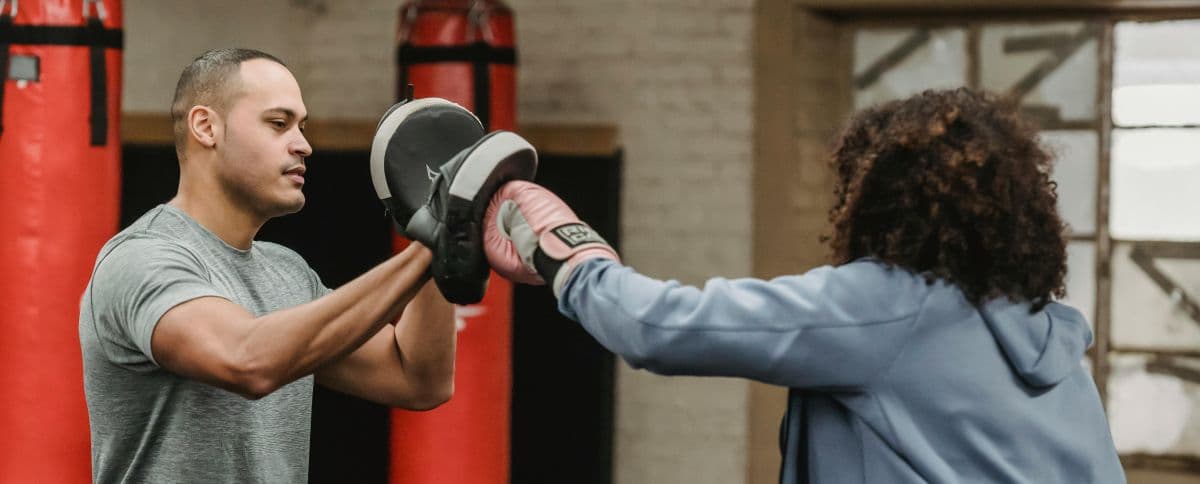
Trauma is a profound, physical experience with consequences for the mental and physical health of the victim. Researchers examined the role that martial arts training can play in preventing and processing such intense experiences. In their conclusion they recommend bringing the use of martial arts in various fields closer together.
Martial arts training that takes account of, or is tailored to, the trauma of the athletes can help practitioners in a number of areas. It can contribute to strengthening self-confidence. It can teach someone to manage emotions. Social interaction with other people can also be improved through martial arts.
Researchers Minke Marjanneke van de Kamp, Georgia Verry, Erik Jumelet-Boom and Tina Bellemans examined what is currently known about this from existing research. To do so, they collected as many studies as possible that touch on this subject. A notable detail: three of the four authors practise various forms of martial arts themselves. In this article they also combine knowledge from their own studies, for which they worked closely with trainers and other experts in the field.
The word trauma is heard more and more often and is not always used correctly. In the context of this research, trauma refers to psychological and physical disruption caused by a shocking, threatening or overwhelming event. So intense that it could not be processed in a healthy way at the time.
The research shows that regular martial arts classes may already be helpful in preventing or reducing complaints following trauma. The condition is that the trainer is able to work in a ’trauma-sensitive’ way, that is to say: with attention to signs of trauma. A trainer with additional training can also offer selective martial arts programmes for vulnerable target groups. With additional targeted training they can make people from vulnerable groups more resilient. In addition, psychomotor therapists (psychomotorisch therapeuten, PMT) can offer forms of trauma treatment using martial arts as a means.
What the researchers call ’trauma-informed martial arts’ is not a miracle cure, but a valuable addition. After studying the research, they conclude that although the various applications are available, an integrated approach is still rare. An important passage in the conclusion of the study is therefore: "Developing local networks of certified trainers and therapists could strengthen cooperation between the preventive and clinical domains and promote safe, body-oriented paths to recovery."
This presents a challenge both for the martial arts sector and for therapists who would like to strengthen the valuable role of martial arts in this form of care. A good example of first steps that are already being taken runs via the Warrior Code platform. To be able to join as a fight gym, there are quality requirements, and once inside you also receive additional online further training, for example on mental health. This online programme was developed through a collaboration between the NIVM and the knowledge institute TRAP Kickboksen, run by one of the authors of the article.
The study is available here .
The researchers:
Minke Marjanneke van de Kamp, Faculty of Behavioural and Movement Sciences, Vrije Universiteit Amsterdam, The Netherlands
Georgia Verry, Concious Combat Club, Melbourne, Australia
Erik Jumelet-Boom, Martial Arts & Health Institute (MAHI) & Kennisinstituut TRAP Kickboksen, Zwolle, The Netherlands
Tina Bellemans, Department Movement, Health, and Wellbeing, Windesheim University of Applied Sciences, Zwolle, The Netherlands